CountOn
A smart instrument tracking system aims to address the gap in hard instrument counting in the operating room.
Role
Product and UX Designer (Group)
Client
Patient Safety Technology Challenge & CES
Year
2024
Live preview
Challenge
Current surgical protocols are failing to prevent Unintended Retained Foreign Objects (URFOs), with nearly 100 incidents reported annually. The existing "count" system provides a false sense of security, as 88% of incidents happen despite a "correct" count. These errors are driven by cognitive overload, ineffective manual tools, and a lack of collaborative checks, creating a hidden but deadly risk to patient safety.
Solution
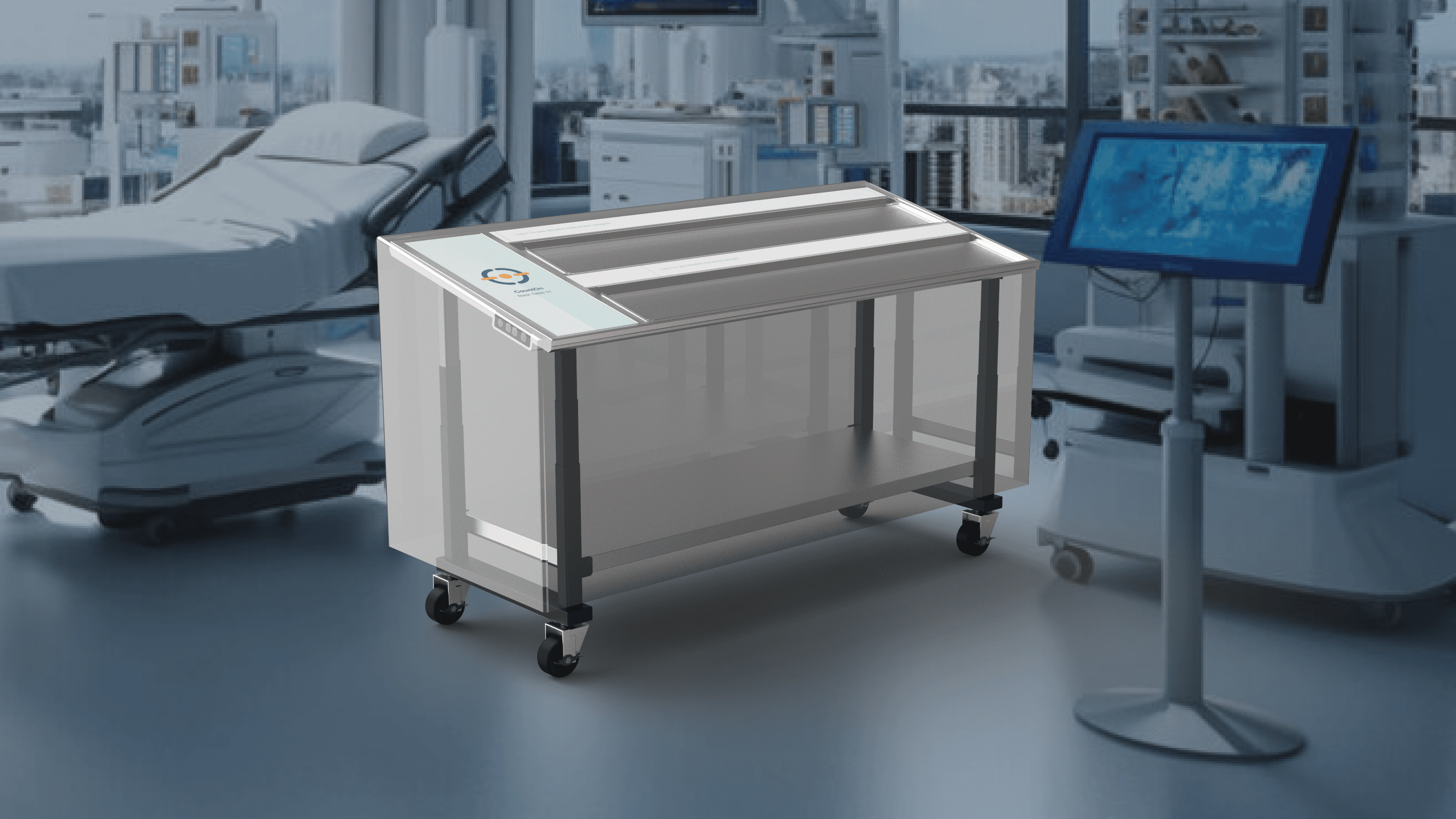
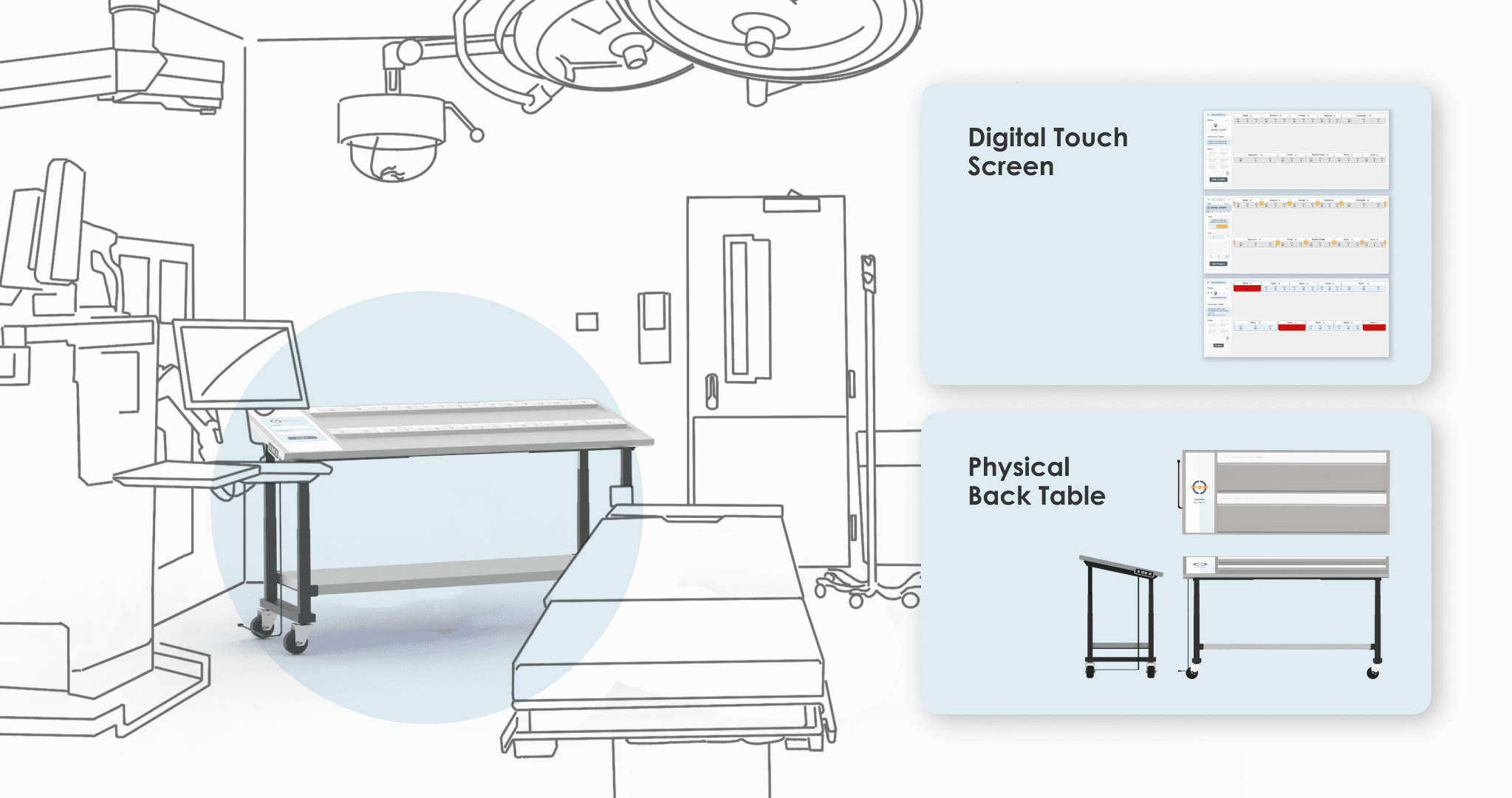
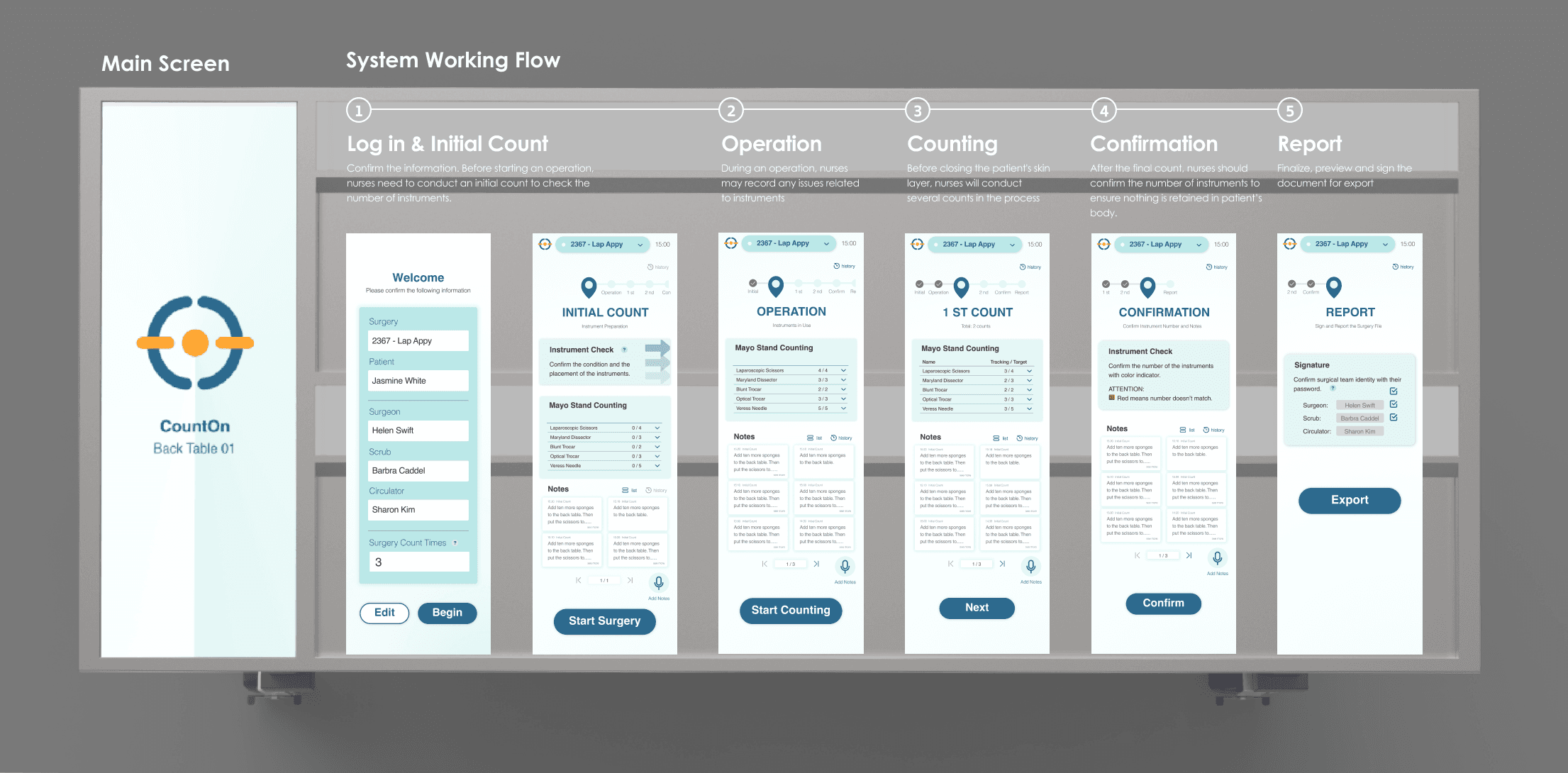
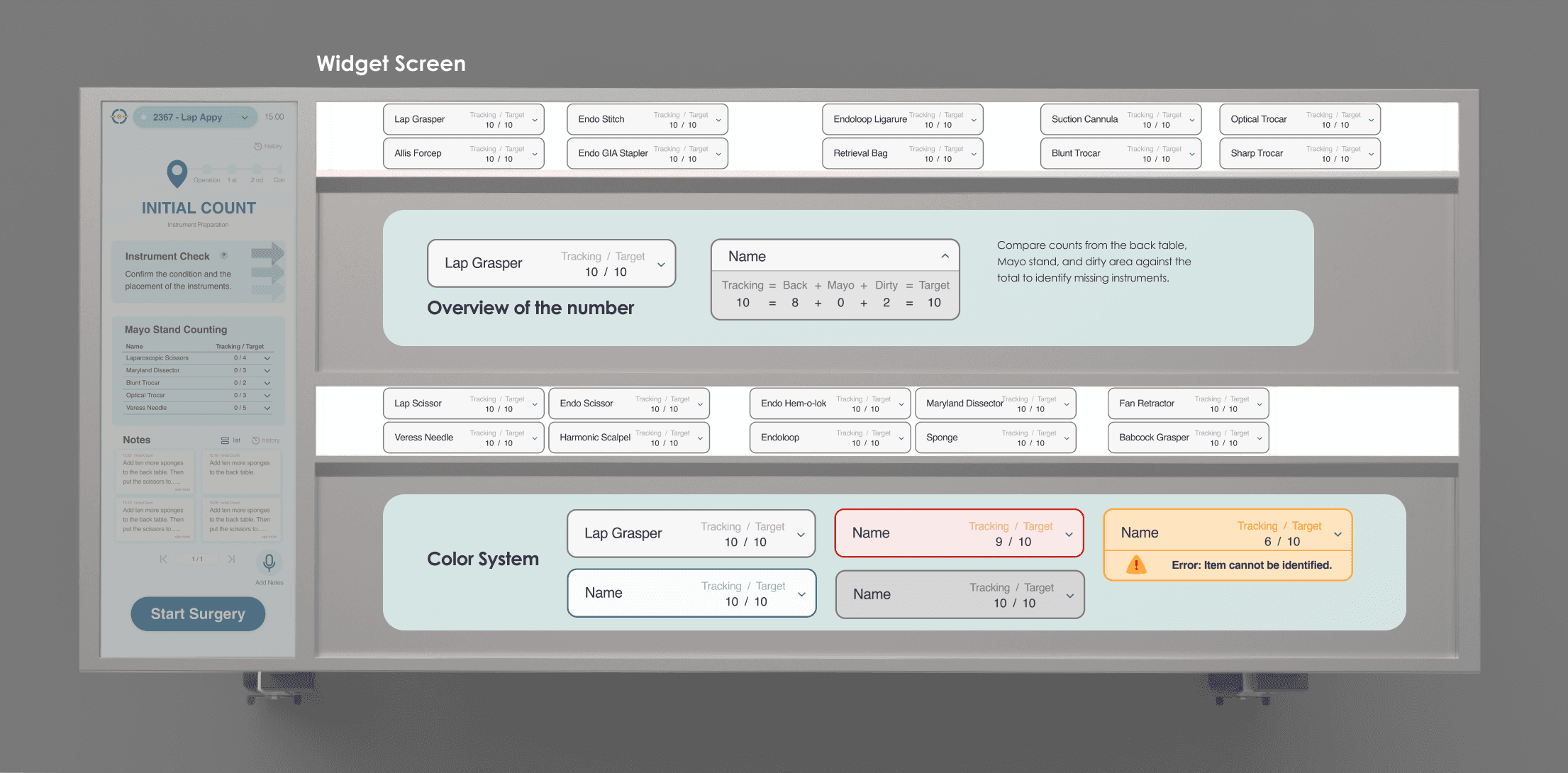
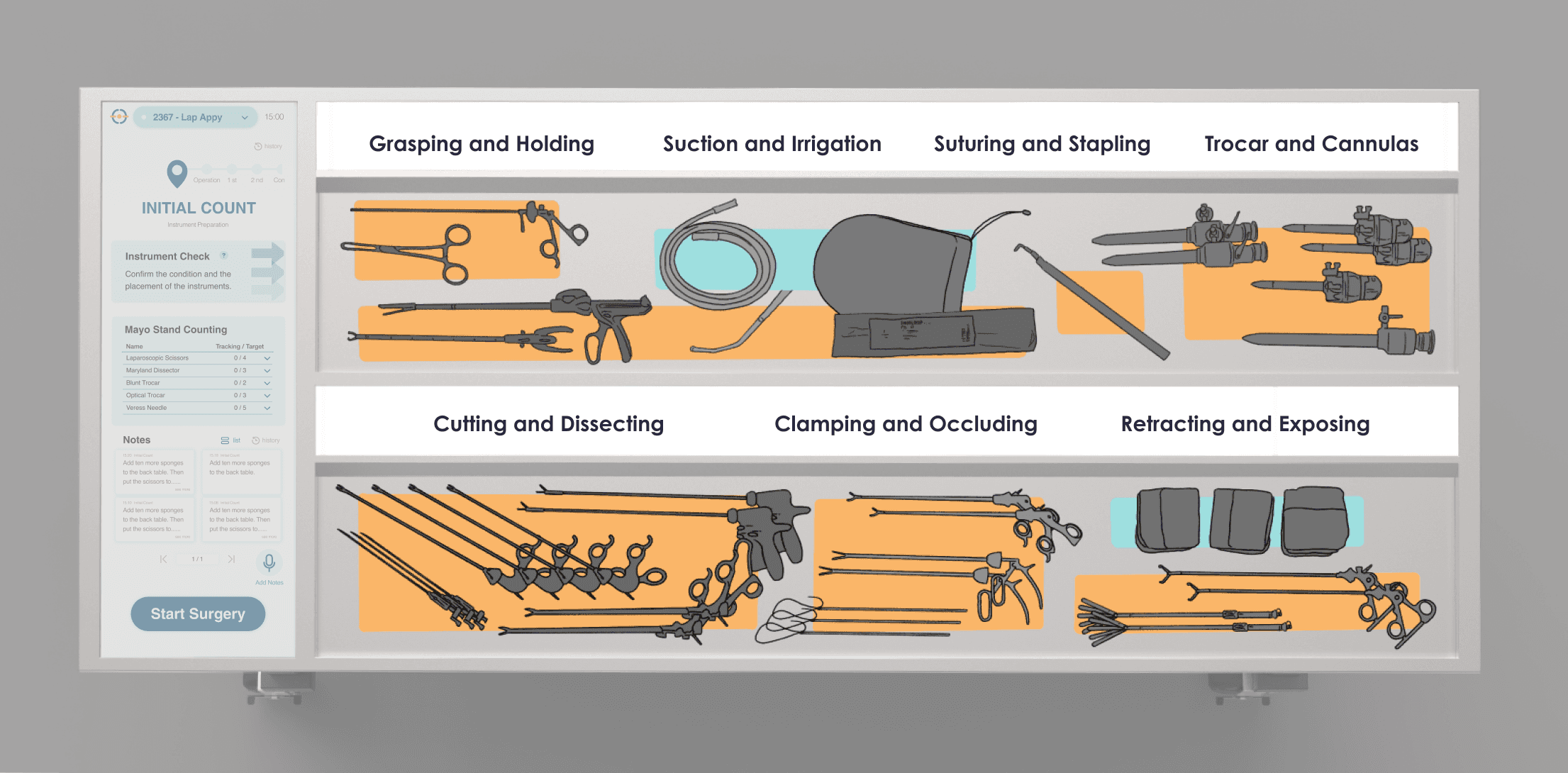
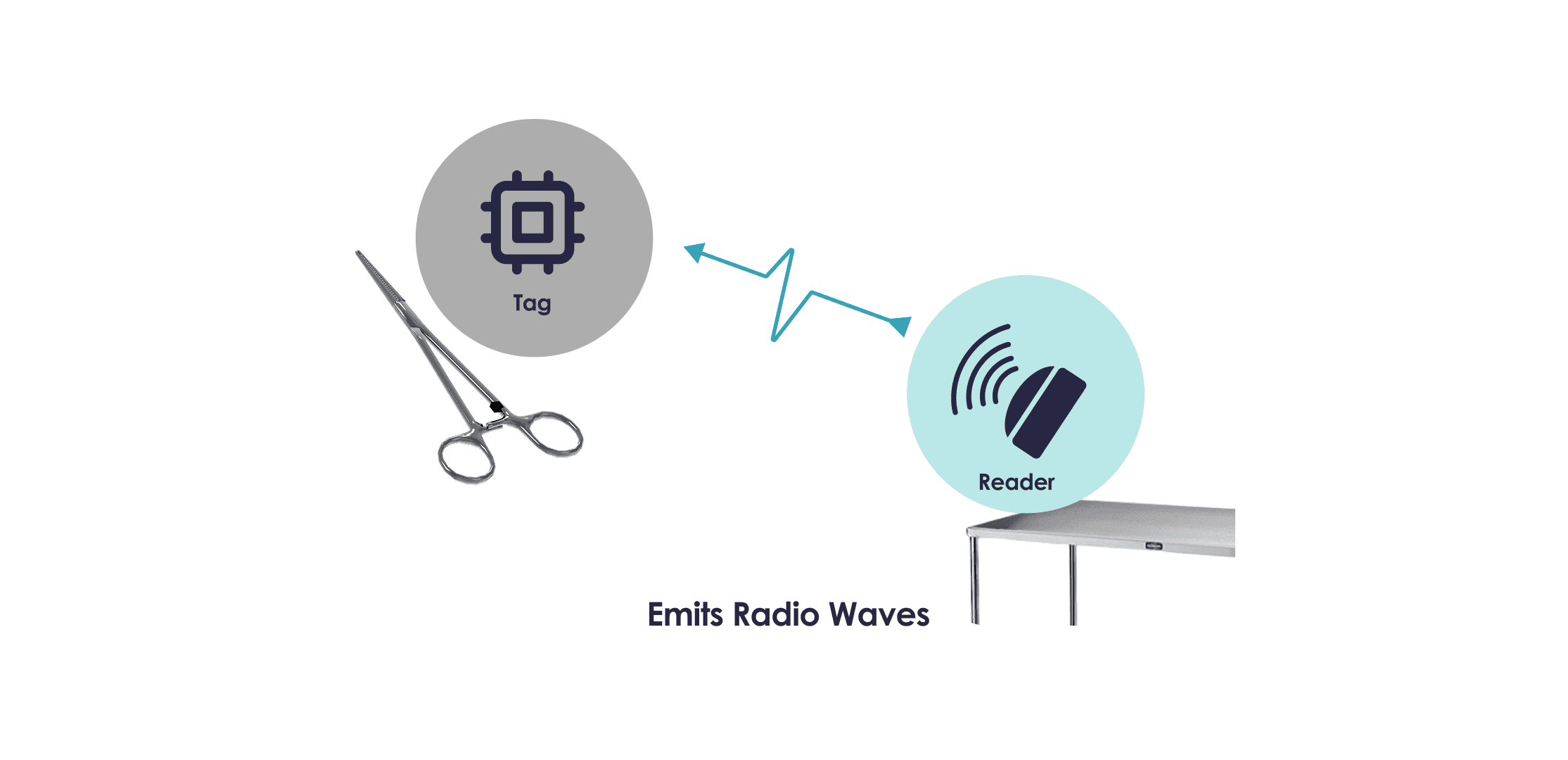
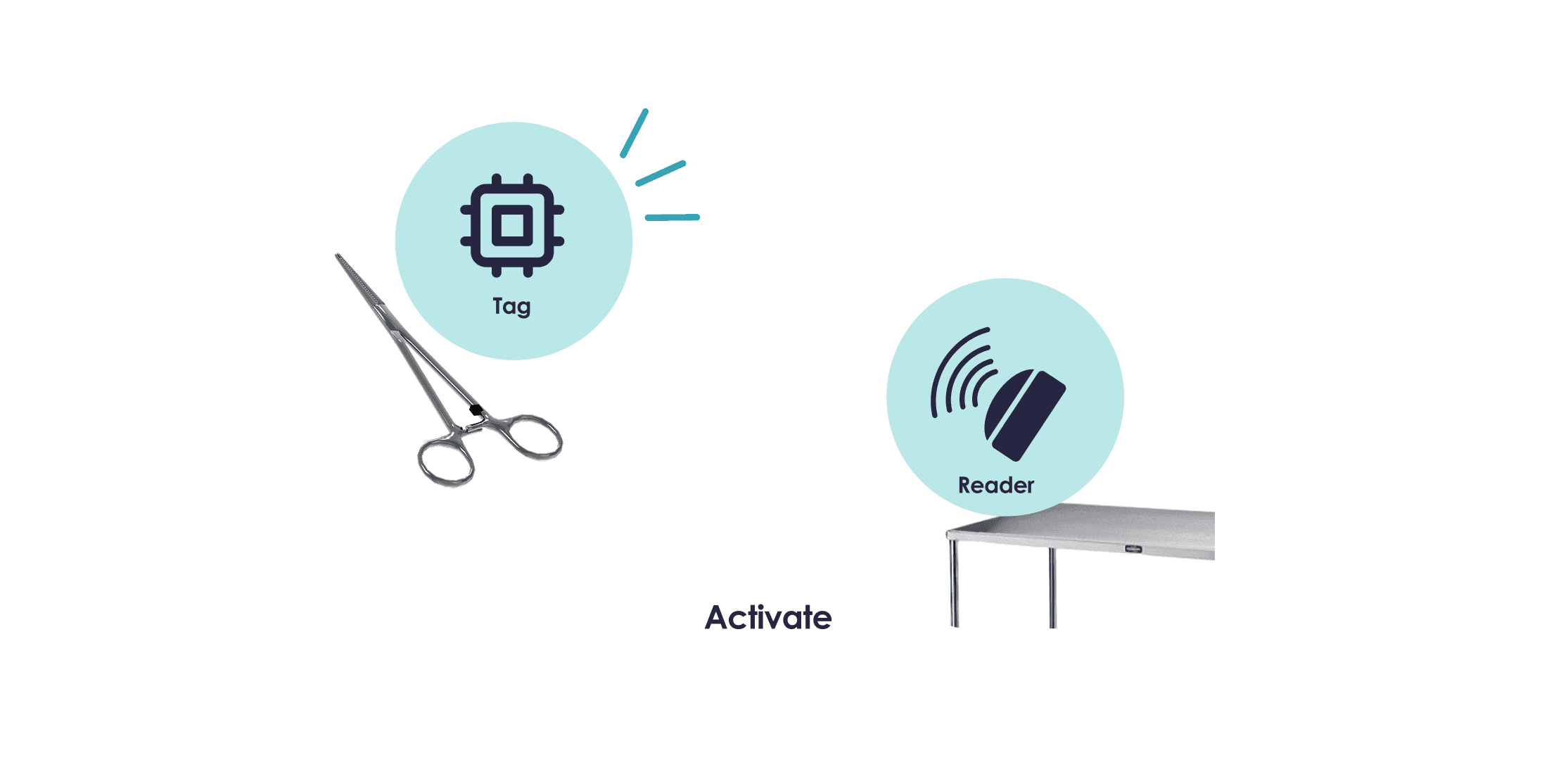
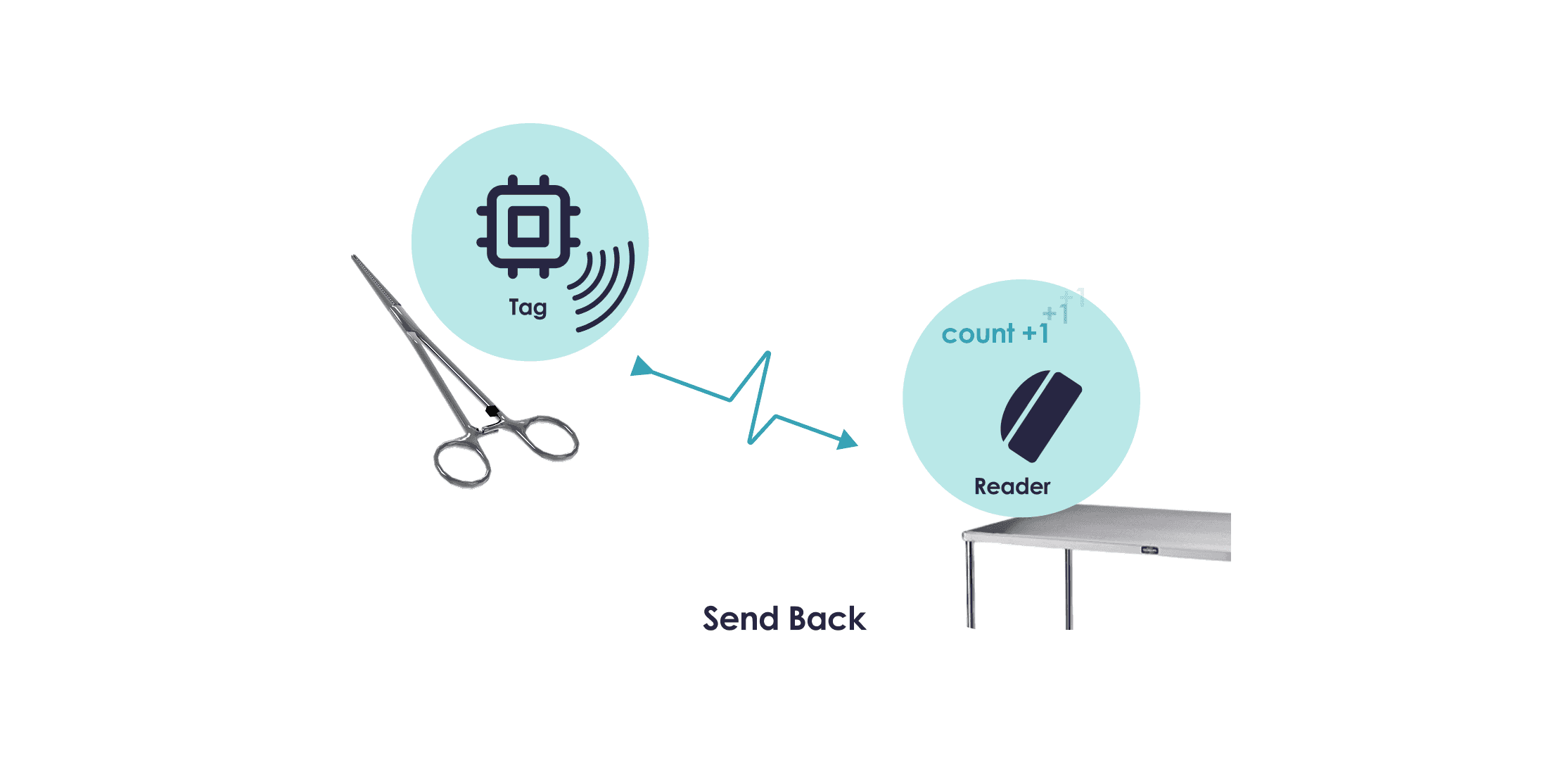
We designed a smart tracking system to eliminate URFOs by replacing manual checks with digital precision. By integrating RFID tagging, a multi-zone counting system, and a digitally enhanced back table, the solution provides the surgical team with real-time, visual verification of every instrument, ensuring 100% accuracy without disrupting the surgical flow.
Design Rationale
We targeted the Back Table, Mayo Stand, and Dirty Area as our primary design environments. By maintaining real-time RFID visibility in these "outside-the-body" zones, the system creates a closed loop of accountability. This ensures that every tool is located and verified at every stage of the surgery, making URFO incidents virtually impossible.
Demonstration Case: Laparoscopic Appendectomy
The CountOn System was piloted using laparoscopic appendectomy, chosen for its ubiquity as the standard treatment for appendicitis. This procedure offers an optimal balance for initial research: it is a high-volume surgery with manageable complexity and a smaller instrument count. This successful pilot demonstrates the system's viability and sets the stage for scaling to more extensive surgeries.
Research Process
Problem Research and Analysis.
Main Stakeholders Analysis.
Surgical Technologists Interviews.
Background Information
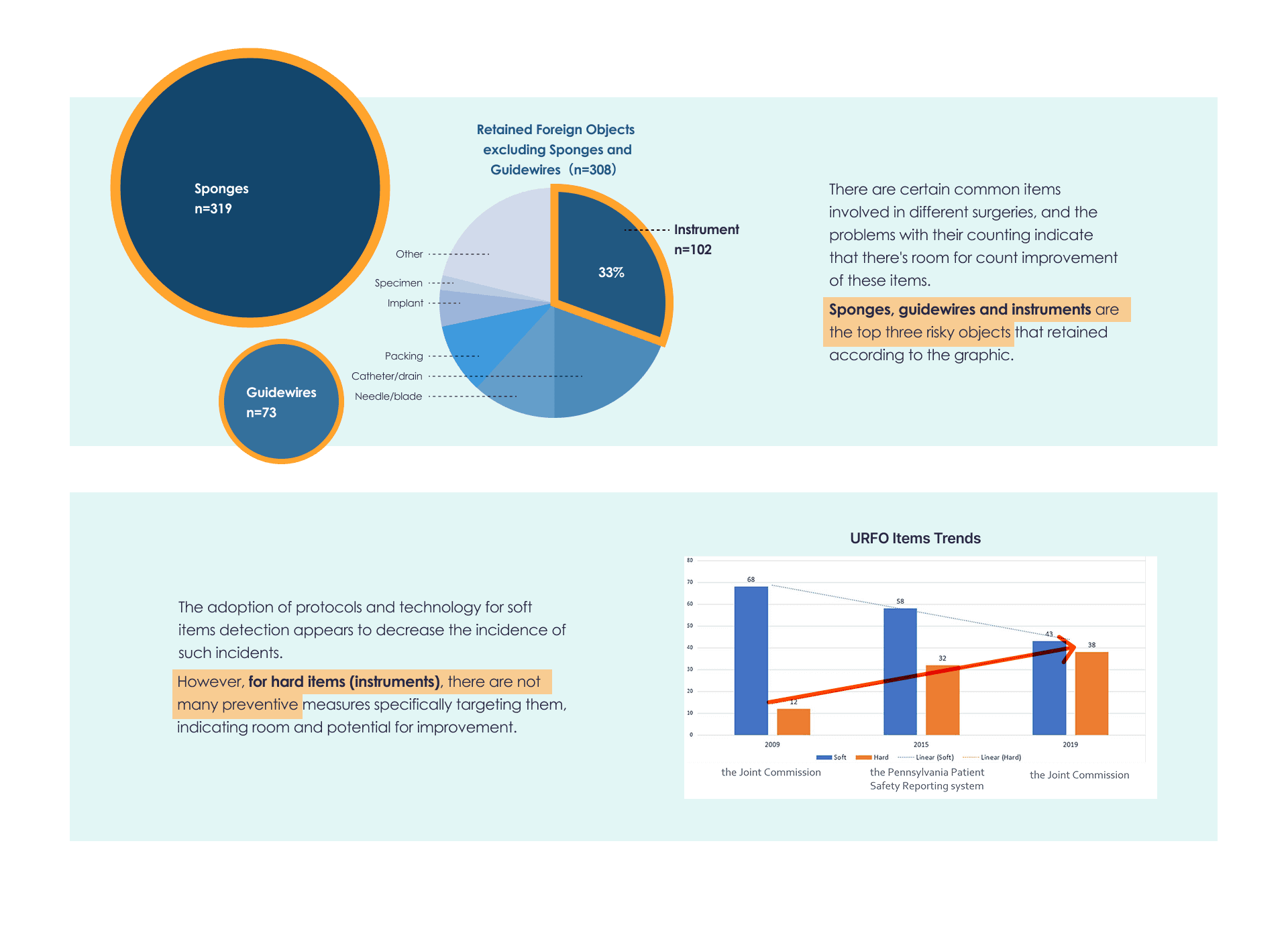
The Joint Commission’s study between 2012-2018 describes the types of objects retained. Among which, sponges, instruments, and guidewires are the top three risky objects.
The adoption of protocols and technology for soft items detection appears to decrease the incidence of such incidents.
However, for hard items, there are not many preventive measures specifically targeting them.
Main Factors and Stakeholders
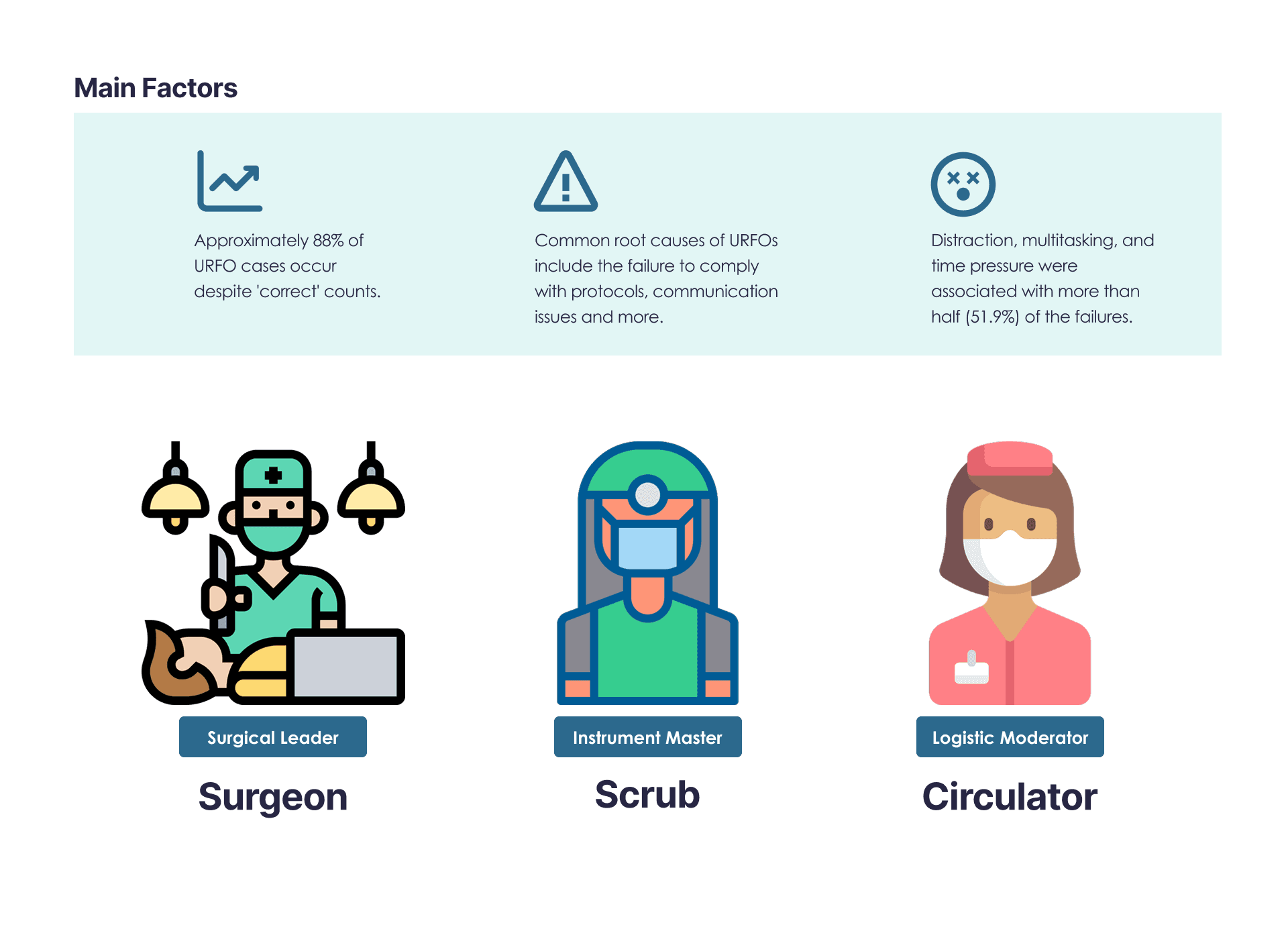
In a typical surgery, the Surgeon acts as the Surgical Leader, the Scrub Nurse serves as the Instrument Master, and the Circulating Nurse functions as the Logistic Moderator. Together, they collaborate to ensure the procedure runs smoothly.
Existing Solution Analysis
Among the numerous human-related causes, distraction, multitasking, and time pressure were associated with more than half of the failures.
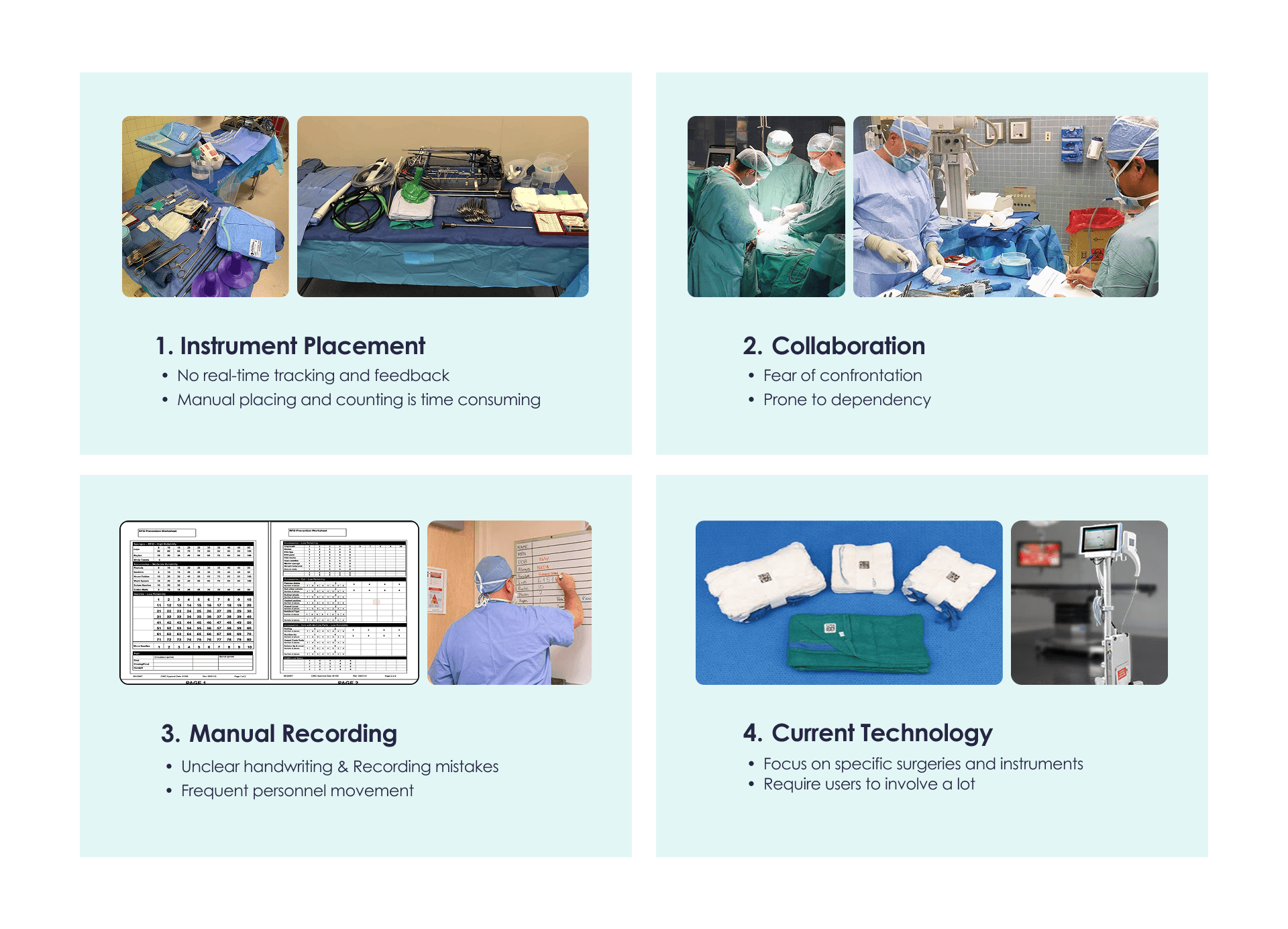
In addition, flaws in instrument placement tools, ineffective collaboration, errors caused by manual recording due to individual differences, and the limitations of current technology all contribute to the hidden risks that lead to URFO incidents.